People choose to live outside the boundaries of modern society in vast expanses of Earth where the wind shapes mountain sides, and the horizon appears to bend. These people live in rugged coastlines, dense forests, remote valleys and deserts far from their nearest neighbours. These individuals, including homesteaders, naturalists, and off-grid pioneers, have forged their worlds away from concrete grids and urban clocks.
This hidden geography of human independence and resilience is brought into focus in Darren McMullen’s Outsiders. The series follows adventurer Darren McMullen as he explores these wild places and meets those who have chosen simplicity over convenience, solitude over convention, and the raw authenticity of nature for comfort. Landscapes are just as important as characters in this story, as they shape the rhythms and dangers of the inhabitants.
This is not just a geographical exploration of the land but also of lifestyle. This is a study of how terrain, climate and isolation shape culture and identity. A reminder that, even in the 21st Century, Earth still has pockets of wilderness, where modernity feels far away, and exploration is not just a relic but a way to live.
The Call of the Frontier – Landscapes that Shape Outsiders
In order to understand the people Darren meets, it is important to first understand the landscape that surrounds them. Their lives are reflections of their environments–geographic imprints etched into human character.
Coastal Edges – Where Land Meets the Eternal Pulse of the Sea
Outsiders often build their lives along the rugged coasts, where salty winds roar through their homes. The crashing of waves is the background music to their daily lives. These places make time feel older. Everything is governed by the sea: food, travel, weather and hope. Many who have settled here speak of the sea as if it were their companion: unpredictable, hazardous, yet endlessly generous.
Isolation is harsh, but healing here. The rocky beaches and storm-carved cliffs are a reminder to visitors that living at the edge requires humility. Darren’s encounters reveal coastal residents who accept this unstable relationship with nature. They have traded comfort for clarity, and meaning for challenge.
The Deep Forest – Kingdoms hidden beneath green canopies
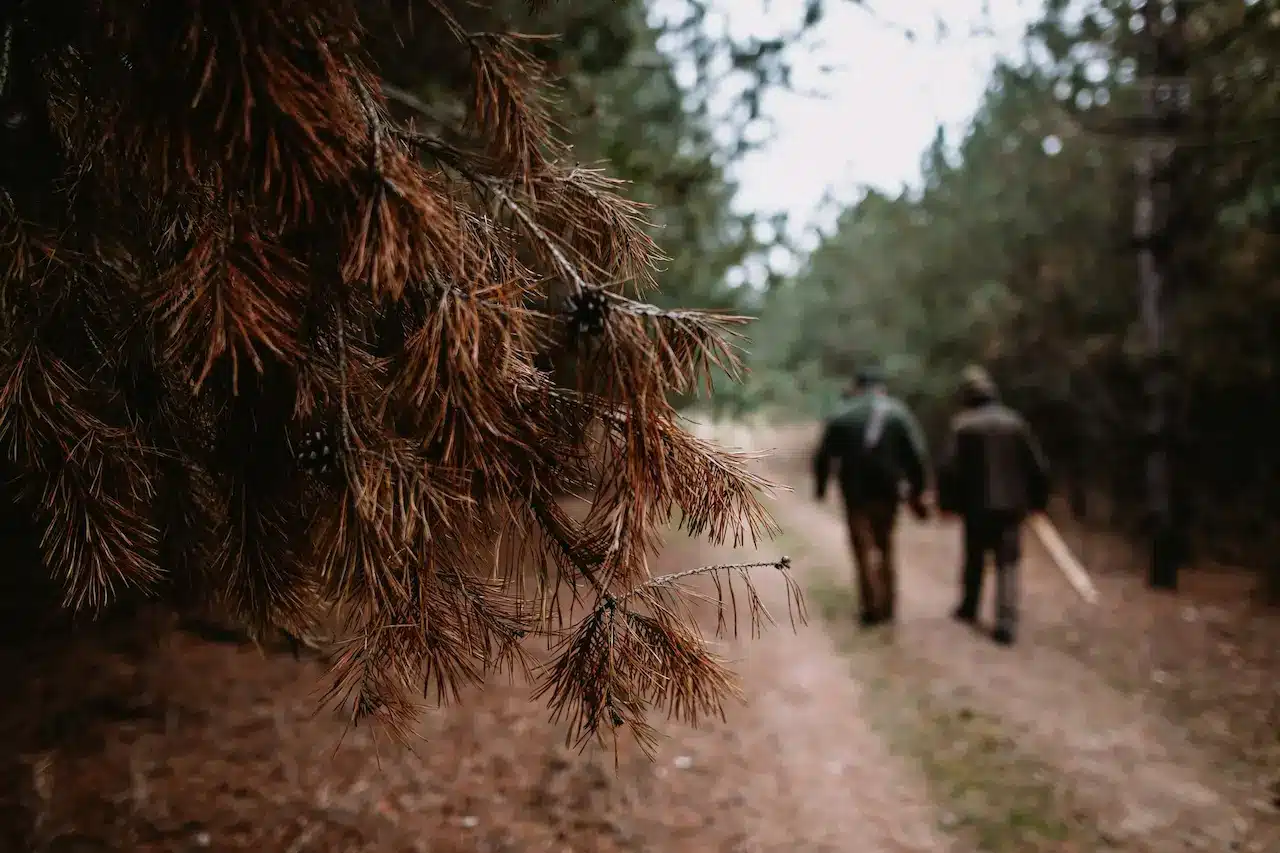
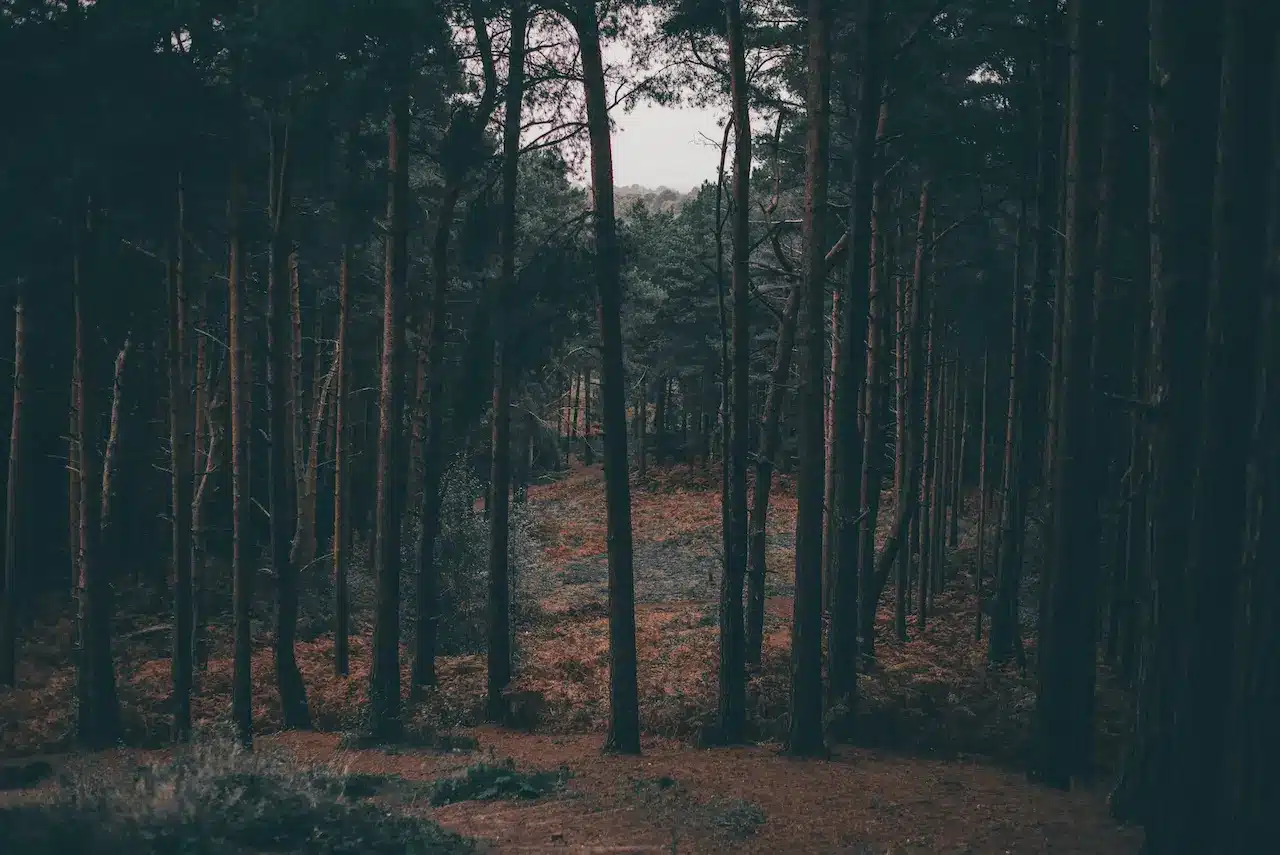
Forests so dense with life, they almost seem to breathe. Conifers that tower over you, undergrowth tangled in knots, and soils that are rich with decay from eons ago create an environment that feels ancient and isolated. Outsiders of forests often talk about feeling engulfed and protected by their surroundings.
Forests are full of secrets. Shadows move. The weather can change dramatically. Where humans tread carefully, wildlife thrives. Darren’s conversations with woodland homesteaders reveal a coexistence philosophy: living alongside nature, rather than above. They hunt, collect, build and grow in harmony with ecological cycles. Their calendars and clocks reflect the changing colours of leaves.
Desert Solitudes – Harsh Beauty & the Geometry of Space
Deserts are a challenge to life itself. Heat, cold and wind combine to create landscapes that are as mesmerising as they are unforgiving. Desert dwellers embody the resilience of scarcity. Water becomes holy. Shade is a gift. Silence is powerful, stretching across the dunes like a tide that never moves.
Darren’s desert experiences highlight individuals who can master an environment with little room for error. They are not isolated by accident; they do it deliberately. Deserts strip life down to its bare essentials, revealing the values that people hold most dear when all distractions are removed.
Outsiders: Why They Leave The Grid
The men and women Darren meets often share a similar spark – a desire to escape a world which moves too quickly, demands too much or feels too distant from nature.
1. Simplicity is the Pursuit of Simplicity
Modern life is often described as noisy by outsiders. Distracting. Distorted. Stepping into the wilderness allows them to experience a quieter inner landscape. The days are measured in practical tasks: gathering firewood, maintaining a shelter, preparing food, and navigating weather patterns. Simplicity is no longer a burden, but rather a blessing.
2. Self-reliance as a personal freedom
It is an incredible feeling to be able to build, grow or gather all that one needs. Self-reliance becomes more than just a way to survive. Darren’s interview captures the feeling of empowerment that comes with knowing that the land has all you need if you learn to listen.
3. The Return of Ancestral Rhythms
Outsiders in many areas embrace the traditional knowledge, which is a set of skills passed down from generation to generation that connects them with their cultural roots. The techniques of hunting, tracking, foraging and natural building become bridges to the past.
4. Escape Modern Pressure
The wilderness can be healing for some. Distance from technology, crowds and unrelenting responsibility can be a way to achieve mental clarity. These stories show how geographical isolation can create an emotional refuge.
5. The thrill of adventure
Many people prefer the wilderness because it is more challenging than the modern world. Nature’s unpredictable nature is a constant test of courage, creativity and ingenuity.
The People of the Outside – Portraits of Darren’s Journeys
Although each person Darren meets has a unique story, they all share a similar rhythm shaped by geography.
The Lone Nomad
One desert wanderer, Darren meets carries all of his belongings in a backpack strapped to a weathered framework. He follows ancient native trails as he moves from canyon to canyon. The sky is his guide: the sun for navigation, the stars for guidance, and storms for warnings. We see geography as both a map and a mentor through Darren’s eyes.
The Coastal Artisan
A sculptor creates sculptures along a rocky coast using driftwood and bones washed up by storms. Her home is perched high above the waves and has been shaped by both art and necessity. Darren is fascinated by how her surroundings fuel creativity. Each tide brings new materials, and each storm sculpts the coastline to create fresh inspiration.
The Forest Forager
Darren encounters a woman deep in a temperate rain forest who lives almost exclusively on the food that the forest provides. She speaks the language of the forest fluently, identifying mushrooms, berries and roots. Her lifestyle illustrates how geographic intimacy develops when you live inside nature, as opposed to beside it.
The Mountain Builder
A man built a village of cabins, gardens and workshops on a slope that overlooks a glacial valley. Altitude can bring extreme conditions, but also incredible beauty. Darren’s interview reveals a life shaped through perseverance, craftsmanship, and a deep appreciation of solitude.
Lessons on Life on the Fringe: Geography as a Teacher
As Darren explores remote landscapes, he reminds the audience that geography is not just about location. It is also about influence. It influences culture, values and challenges.
1. Nature Demands Respect
All the outsiders Darren encounters recognise that they cannot command the land. Storms devastate, predators stalk, and seasons change without warning. Respect becomes essential currency.
2. Balance is a necessity, not a concept
In the wild, imbalance, waste or overharvesting can quickly lead to a crisis. Sustainability is not an ideology for outsiders; it’s survival.
3. Isolation Reveals the Humanity
Paradoxically, living far away from people can often lead to a deeper connection with others, whether through shared knowledge or visiting travellers.
4. Wild places still exist on Earth
The landscapes are still untouched by modernity. They remain places where humans feel small, where silence is dominant, and the world appears as old as the rocks under your feet.
Darren McMullen’s Role: A Traveller Between Worlds
Darren is both an explorer and an interpreter. He connects viewers to lands and cultures that few people will ever see. He reveals the reasons outsiders choose to live these lives through his curiosity and empathy.
His geographic lens creates a portrait that shows the human condition as shaped by landscapes–individuals who are shaped by mountains, waves, forests and deserts. He is a guide through not only physical landscapes but also emotional and philosophical ones.
Conclusion
Darren McMullen’s Outsiders focuses on contrasts: between the built and natural worlds, between crowded cities and quiet valleys and between communal life and solitary resiliency. It reminds us of the vastness and wildness of Earth, which is full of stories that unfold far beyond urban boundaries.
Darren’s outsiders are not escapists. These are different kinds of pioneers, individuals who find meaning and purpose in nature’s raw honesty, whose lives have been shaped by the wind, stone, water, and soil.
Their stories speak an ancient truth in a world that is becoming more and more loud.
It is more than just where we live. Geography is not just where we live.