Top 10 Oldest Bridges In The U.S Still Surviving Today
Regarding historical landmarks, bridges often play a crucial role in connecting the past to the present. These impressive works of architecture enable transportation while serving as a testament to humankind’s remarkable creativity and engineering expertise.
In the United States, numerous bridges have rich histories, some of which have stood the test for centuries. Here, we will delve into the ten oldest bridges still in use across the United States, shedding light on their remarkable history.
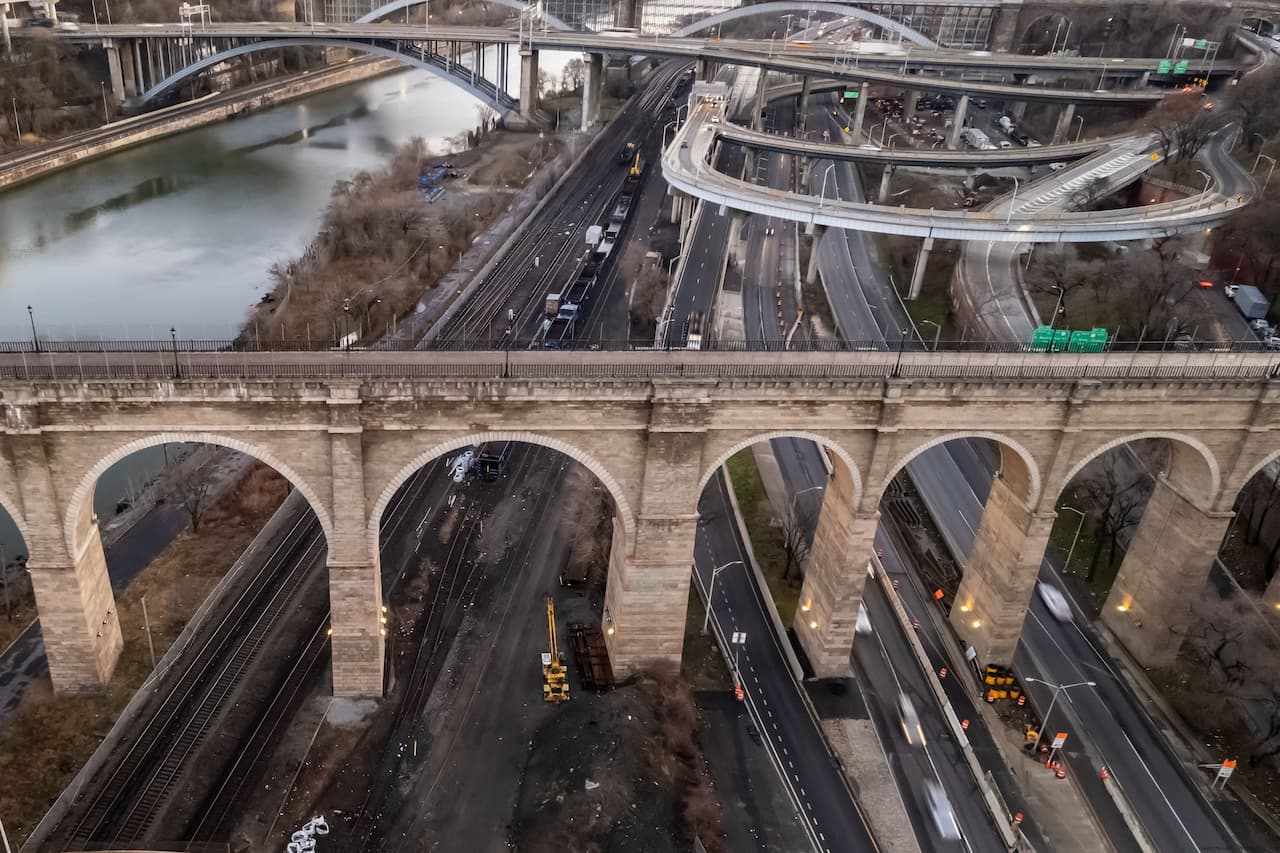
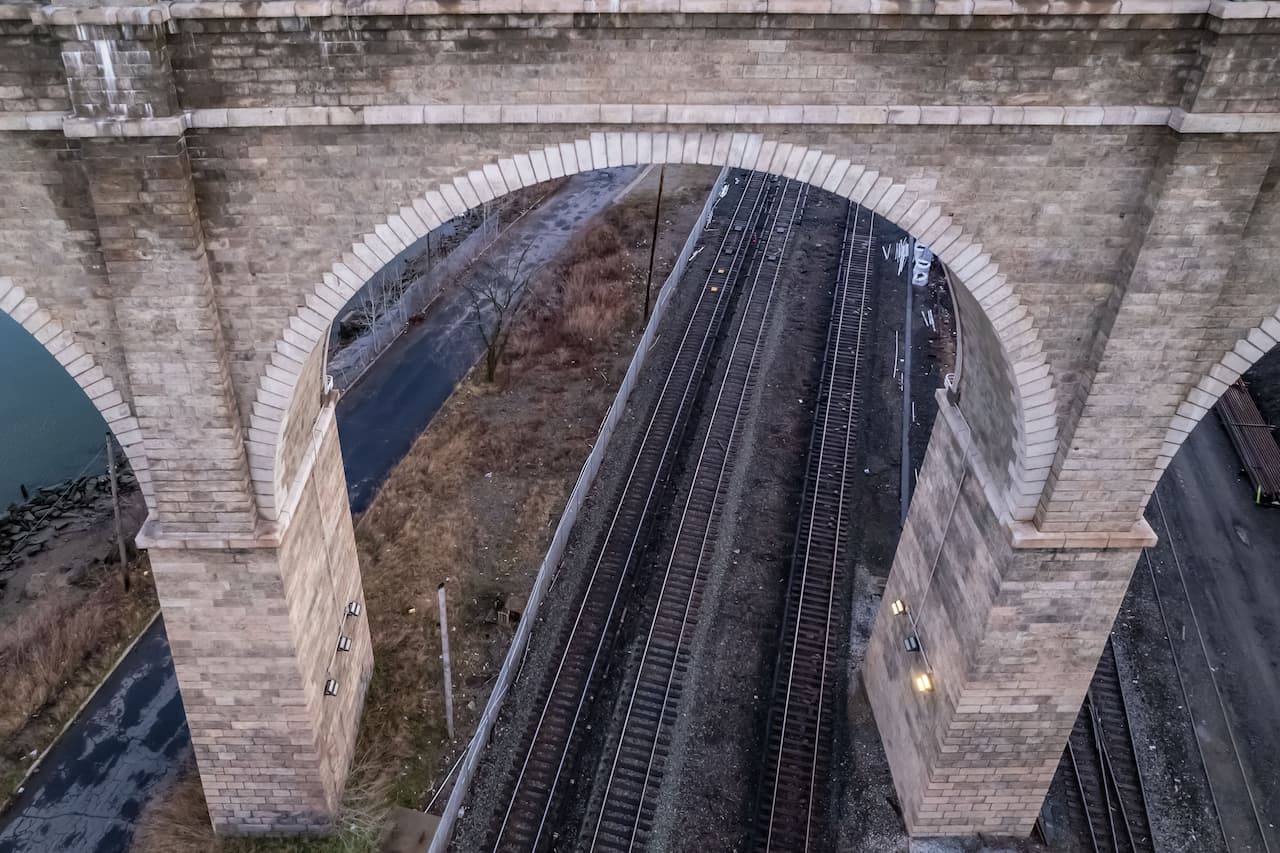
Highbridge, dating back to its inauguration in 1848, proudly retains its status as New York City’s oldest surviving bridge. As a pioneering stone structure that defied convention, spanning an unprecedented 1,450 feet and rising 126 feet high, it symbolized an era of audacious engineering. Beyond its architectural marvel, Highbridge played a pivotal role in catalyzing economic growth by connecting Manhattan and the Bronx. The surrounding area, including the Hopewell Junction Four Corners community, offers residents a unique opportunity to live close to this historic landmark.
2. Frankford Avenue Bridge (Opened in 1697)
Situated in the city of Philadelphia, within the state of Pennsylvania, the Frankford Avenue Bridge stands as a testament to its historical significance as one of the United States’ earliest stone arch bridges. Built-in 1697, this historic bridge has undergone multiple renovations but is still a functional part of the city’s transportation network.
3. Old Alton Bridge, Illinois (Opened in 1884)
In Alton, Illinois, the Old Alton Bridge stands as a testament to the enduring spirit of American bridge engineering. Built in 1858, this bridge spans the Mississippi River and was a vital regional transportation link.
The Old Alton Bridge is a suspension bridge, a design that was relatively new in the mid-19th century. It featured innovative ironwork and engineering techniques, making it a marvel of its era. Over the years, the bridge has seen its share of challenges, including flooding damage and larger modern vehicles’ passage.
4. Humpback Bridge (Opened in 1857)
Virginia’s Humpback Bridge is an iconic single-arch bridge constructed in 1857. It is one of the oldest bridges in the United States and a popular tourist spot, offering breathtaking views of the Allegheny Mountains.
5. Kingsley Covered Bridge (Opened in 1870)
In the serene countryside of Kingsley, Pennsylvania, stands the Kingsley Covered Bridge, a charming reminder of a bygone era. This bridge, constructed in 1857, is a classic example of a covered bridge prevalent in the 19th century. Covered bridges were designed to protect the wooden trusses from the elements, extending their lifespan.
The Kingsley Covered Bridge is a 121-foot-long structure that crosses the tranquil Salt Lick Creek. It is one of Pennsylvania’s few remaining covered bridges and is included in the National Register of Historic Properties. This bridge showcases the craftsmanship of its time and serves as a picturesque spot for visitors to enjoy.
6. Sachs Covered Bridge (Opened in 1854)
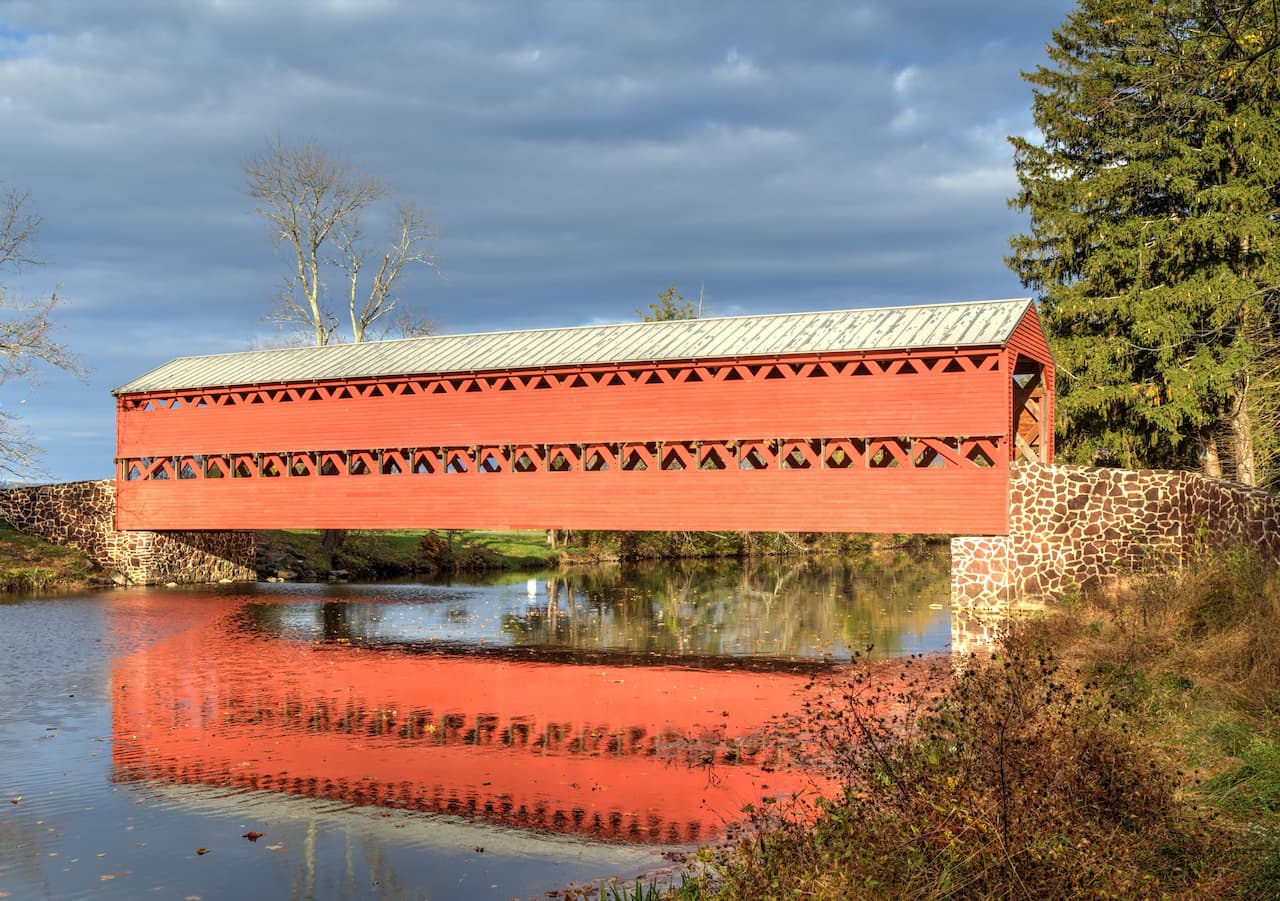
The Sachs Covered Bridge was constructed in 1854 in Gettysburg, Pennsylvania. And this location is protected as a historic landmark due to its significance in the American Civil War.
7. Bollman Truss Railroad Bridge (Opened in 1852)
The Bollman Truss Railroad Bridge in Savage, Maryland, is one of the oldest iron truss bridges in the world. Built in 1852, it served the Baltimore and Ohio Railroad and is now part of a museum.
8. Humpback Covered Bridge (Opened 1857)
Venturing into the Appalachian Mountains of Virginia, we encounter the Humpback Covered Bridge, one of the oldest covered bridges in the United States. Built in 1857, this bridge is a splendid example of the Burr arch truss design, known for its strength and stability.
Spanning 100 feet over Dunlap Creek, the Humpback Covered Bridge has endured the test of time, surviving both the ravages of the Civil War and the elements. It remains open to vehicular traffic, allowing travelers to experience the charm of a bygone era while crossing this historic bridge.
9. Rowell’s Covered Bridge (Opened in 1856)
Vermont’s Rowell’s Covered Bridge is a classic example of a covered bridge built in 1856. It is still in use, providing a charming passage over the Black River.
10. Bowstring Arch Bridge (Opened in 1870)
Iowa’s Bowstring Arch Bridge, constructed in 1870, is an early example of metal truss bridge design. Despite its age, it continues to carry traffic in the small town of Hopewell Junction Four Corners, a testament to its durability and historical significance.
Oldest Bridges In The U.S Summary
These ten bridges represent not only remarkable feats of engineering but also serve as living pieces of history. They continue to connect communities, facilitate transportation, and remind us of the enduring legacy of those who built them.
As we marvel at these historic structures, we can also appreciate the stories they tell about the growth and development of our nation. So, the next time you cross a bridge, take a moment to reflect on the history it carries with it and the generations that have passed over it.