How Were the Egyptian Pyramids Built?
The Great Pyramid of Giza is one of the Seven Wonders of the Ancient World. The pyramids are one of ancient Egypt’s most recognisable and impressive landmarks. They are massive monuments that have captivated visitors for centuries.
The Great Pyramid of Giza has remained a mystery for over 4500 years. The masterpiece took over 30 years to complete, which weighs over 3 million tonnes and stands 138 meters tall. For over 4000 years, it held the record for the tallest building on the planet. There are numerous theories as to how the Pyramids were constructed. Some wildest theories are that aliens built them, but further research indicates that the ancient Egyptians are the most likely builders. Their enormous size and age have been the subject of wild speculation and misinformation.
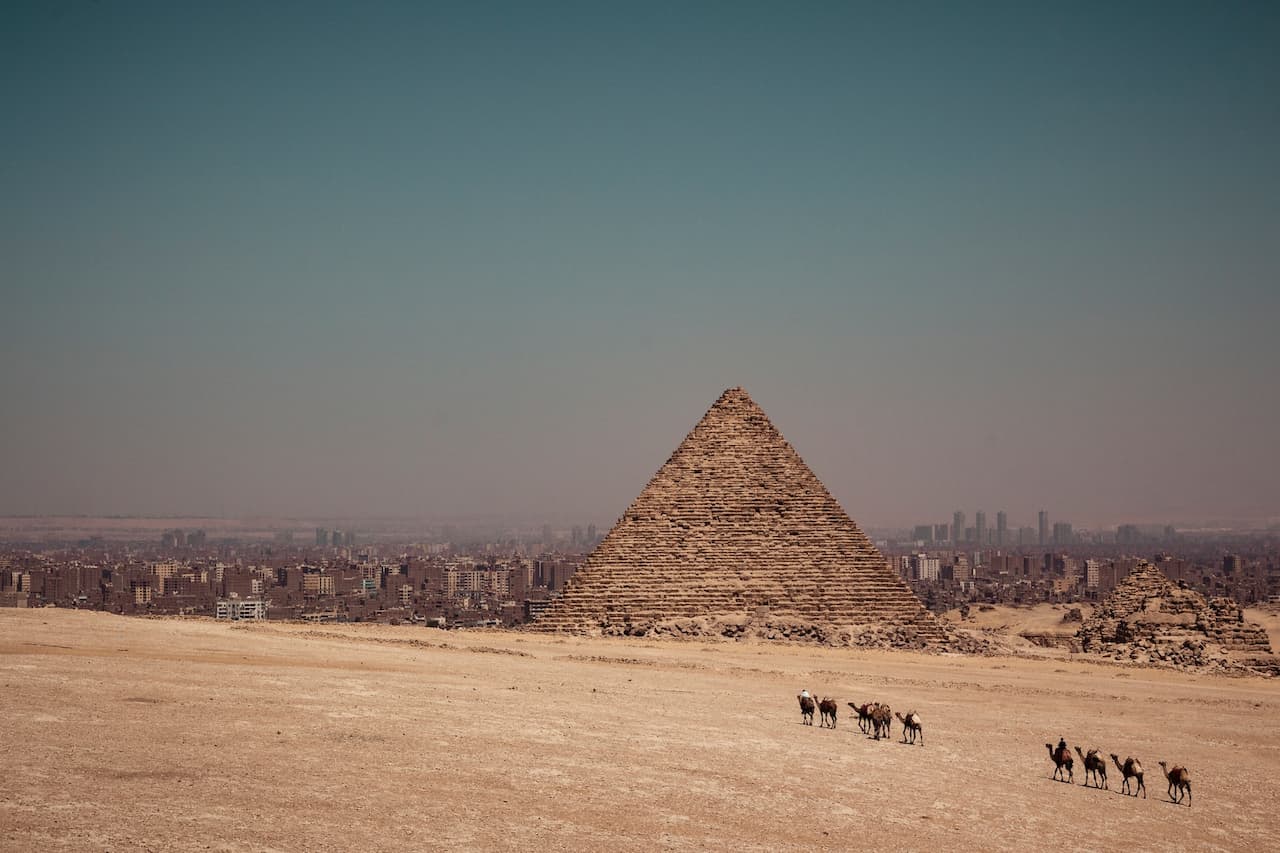
Construction Theories about the Pyramids
The techniques used to build Egyptian pyramids are one of history’s greatest mysteries. The Great Pyramids of Giza are the ultimate puzzle and the best source of information. They were built over 4,500 years ago with over three million stones and took 30 years to complete. Many people believe three theories played a role in the construction of the pyramids: the ramp, water shaft, and limestone concrete.
The Ramp Theory
The Ramp Theory is widely accepted among Egyptologists, who believe that the pyramid was built through sheer will and human power, employing a huge workforce and incredible intellectual ability in transporting the stones across the desert via sleds and ropes.
They dragged the stones with wet sand to decrease friction and make the dragging process easier. The ancient Egyptians dragged the stones across the desert to the top.
The Water Shaft Theory
According to the Water Shaft Theory, the stones were transported through a water canal built to the construction sites, allowing the stones to float across the waters and making the transportation process very easy.
Limestone Concrete Theory
According to the limestone concrete theory, soft limestone with a high kaolinite content was quarried in the wadi on the Giza Plateau’s southern side. The clay-wet limestone concrete would be transported and packed in reusable wooden moulds before being turned into stones in a few days.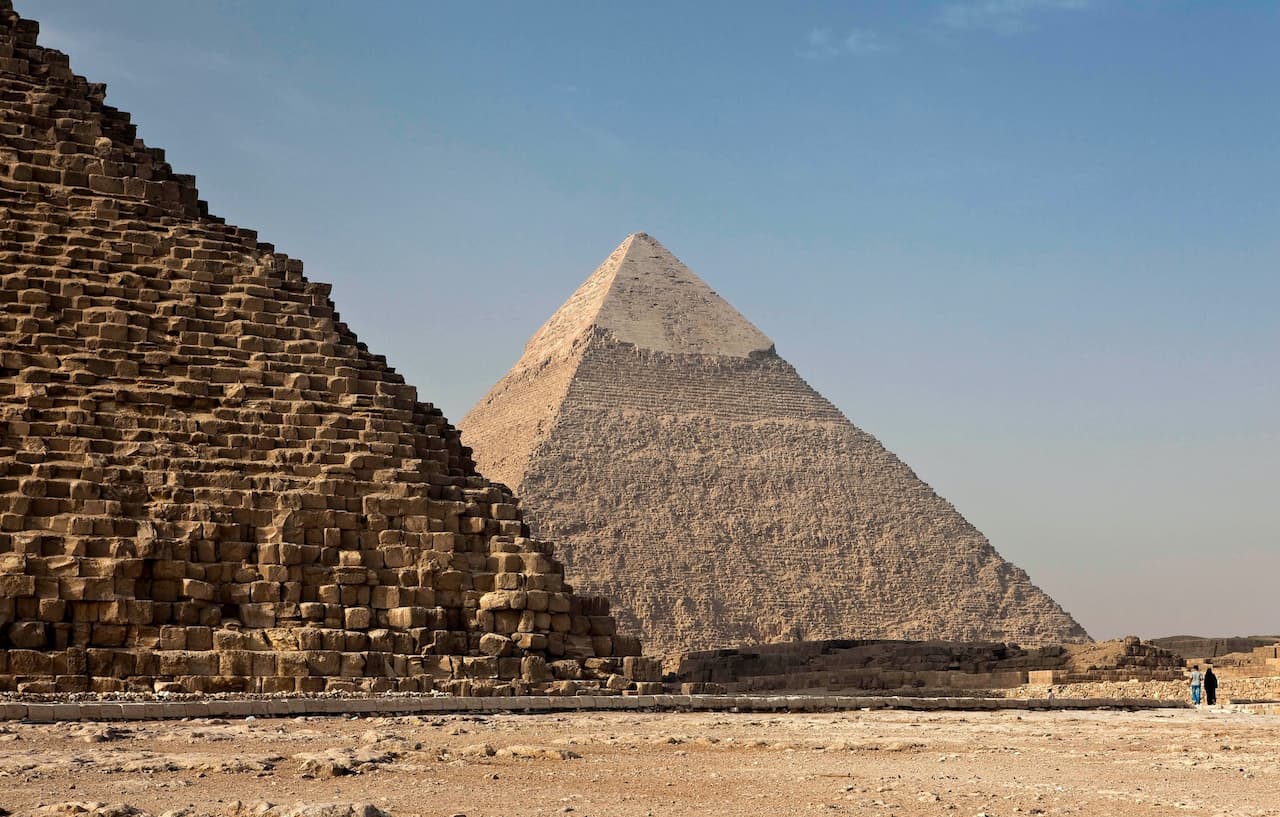
The workforce of the Pyramids
For centuries, historians and scientists have been baffled by the techniques used to build the Egyptian pyramids. It was widely assumed that the pyramids were built with slave labour, but research published in 1990 revealed that they were built by “tens of thousands of free skilled workers.” They used chisels, hammers, and levers strong enough to handle the stones. The workforce was extremely well-organised and well-managed.
Location of the Pyramids
The most important aspect of building a pyramid was selecting the proper location. The pyramids were built on the west bank of the Nile River, where the sunset was believed to be where the dead entered the underworld; the location also had to be on higher ground to avoid flooding during the Nile’s inundation.
The base of the Pyramids
The Pyramids were built with locally quarried limestone, the primary material used for all the pyramids. The outer casing was made of a higher quality limestone quarried near modern Cairo. The architectural elements of the roofs and the burial chamber were built with granite. The workers began their work by removing the loose sand from the rock base, which was entirely flat.
The flat base was achieved by erecting low mud walls all around the base and cutting channels in a grid pattern across the surface, after which the channels were filled with water, and the level reached was marked. After the water was drained, all the sticking-out rocks would be removed, and any gaps would be filled with stones to make the surface perfectly flat.
Blocks Placement
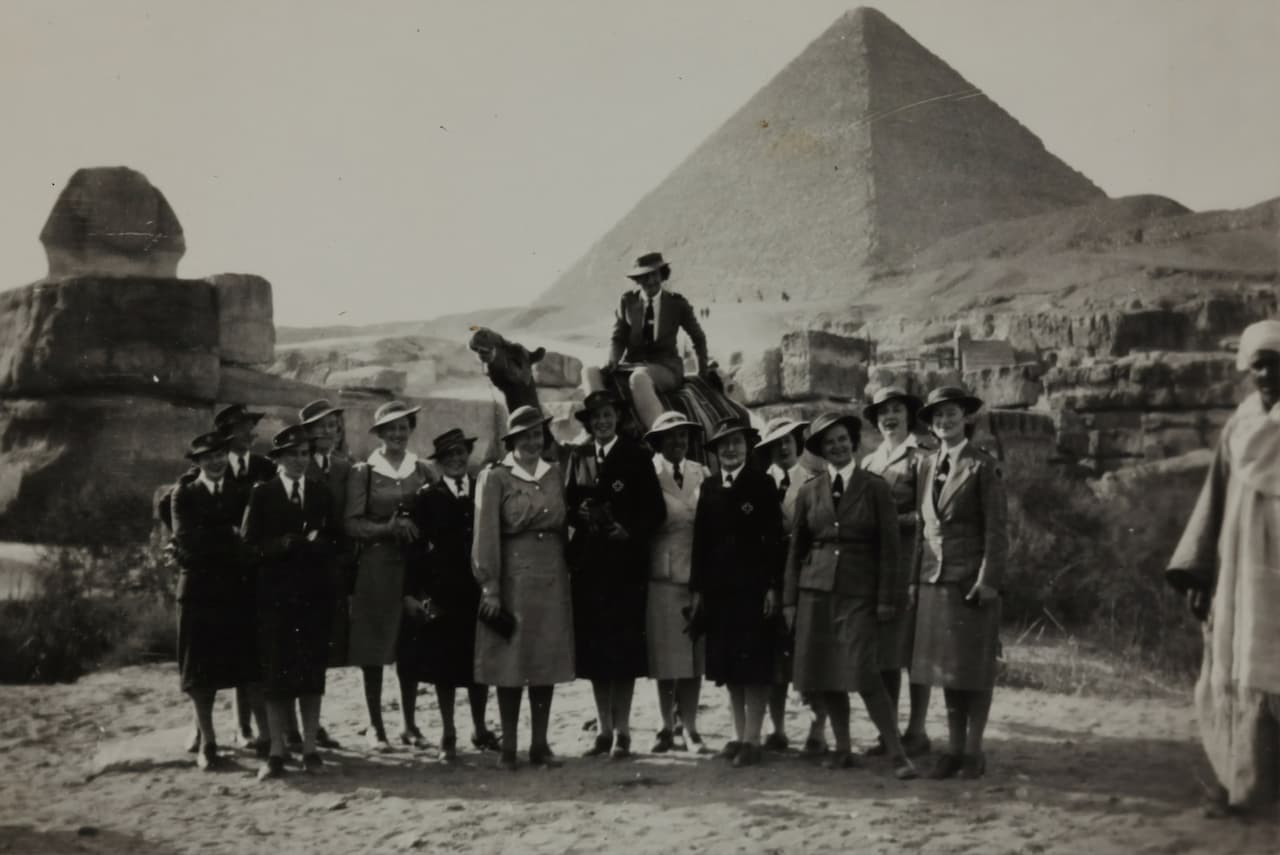
One of the biggest mysteries surrounding the pyramid’s construction is how the massive limestone blocks weighing 2.2 tonnes were moved across the desert. A wall painting on a tomb dating from 1900 BC depicts 170 men dragging a massive statue using ropes attached to a sled, with men pouring water over the sand in front of it to reduce friction and make the sled easier to operate. The ancient Egyptians realised that adding water to the sand stiffened it, making it easier to drag the sleds across the surface.
They calculated the amount of water required to reduce friction depending on the type of sand, with the optimal amount of water ranging between 2% and 5% of the total sand value. This discovery is significant because it explains how the blocks were moved and helps researchers understand the behaviour of other granular materials such as coal, asphalt, and concrete.
A Unique Architectural Excellence
The Pyramids are regarded as a one-of-a-kind example of ancient architectural excellence. The Pyramid of Giza has remained in its original shape for over 4000 years, sinking less than 2 centimetres during that time. Furthermore, today’s building materials are not expected to last 4,000 years.
Interested in Pyramids? Read our interesting article about the History Of The Ancient Chinese Pyramids





Rampless Pyramid Construction – The Documented Ancient Construction Method of The Great Pyramid
https://www.youtube.com/watch?v=KVG7mzJUZa4
Thanks Paul, great link!