The CIA Interrogations uses a wide range of controversial techniques to extract information from suspected individuals. From slaps and sensory bombardment to sleep deprivation and simulated drowning. The inner workings at detention facilities like Guantanamo and secret CIA “black sites” remain largely concealed. However, over the last few decades, declassified documents have revealed many of these techniques.
In the 1990s, the release of a CIA declassified interrogation guide, prompted by an investigation from the Baltimore Sun, revealed chilling details regarding U.S. interrogation tactics. The manual included not only physical tactics but also environmental ones, such as the use of soundproof rooms without windows and no toilets in order to confuse detainees.
Inside the CIA’s Secret Torture Rooms
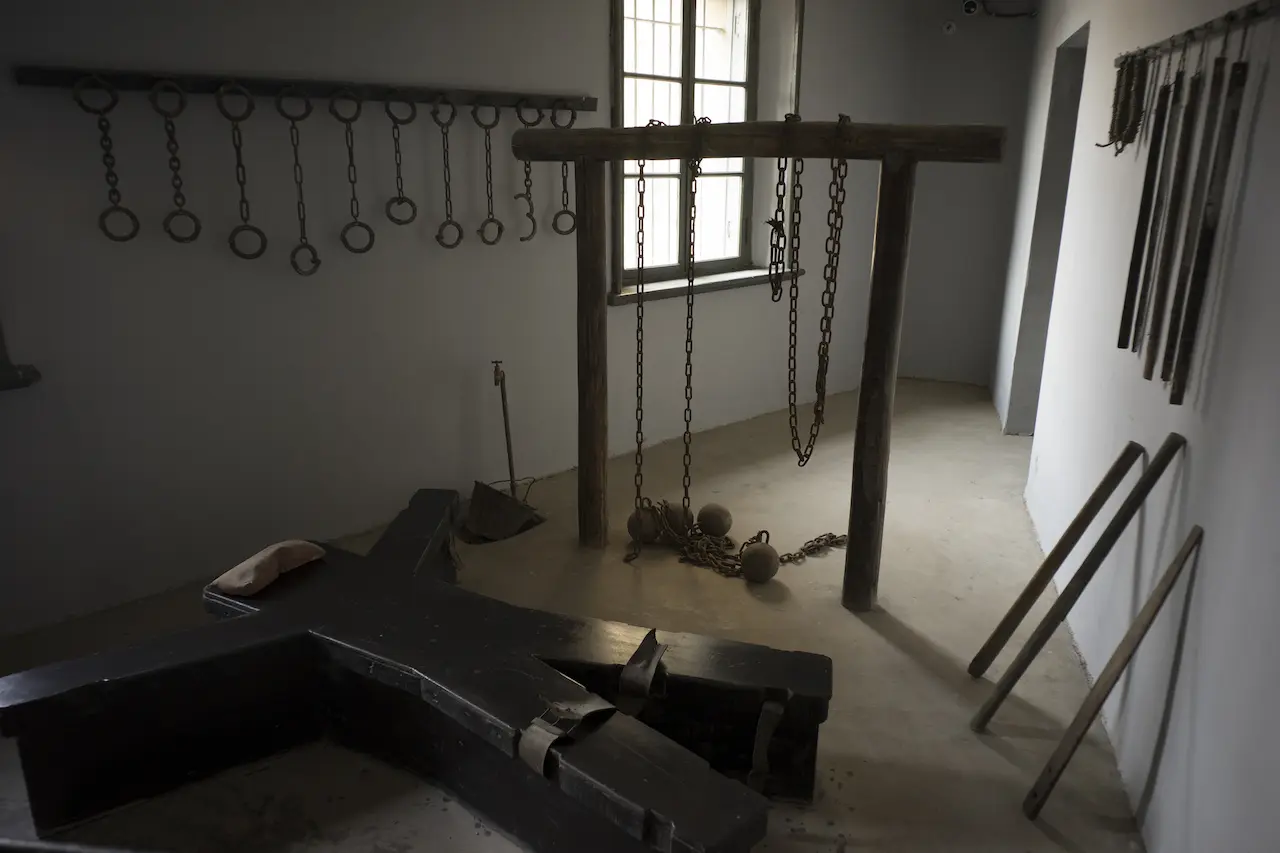
The secret CIA jail near Kabul in Afghanistan, later dubbed a “black site,” contained 20 cells. Each was a concrete box designed to break down the human spirit. In 16 of these, detainees were shackled to metal rings embedded in the walls and forced to sit or lie in one place for hours on end. The remaining four cells were specifically built for sleep deprivation, where prisoners were suspended from overhead bars, wrists chained so high above their heads that their feet barely touched the floor.
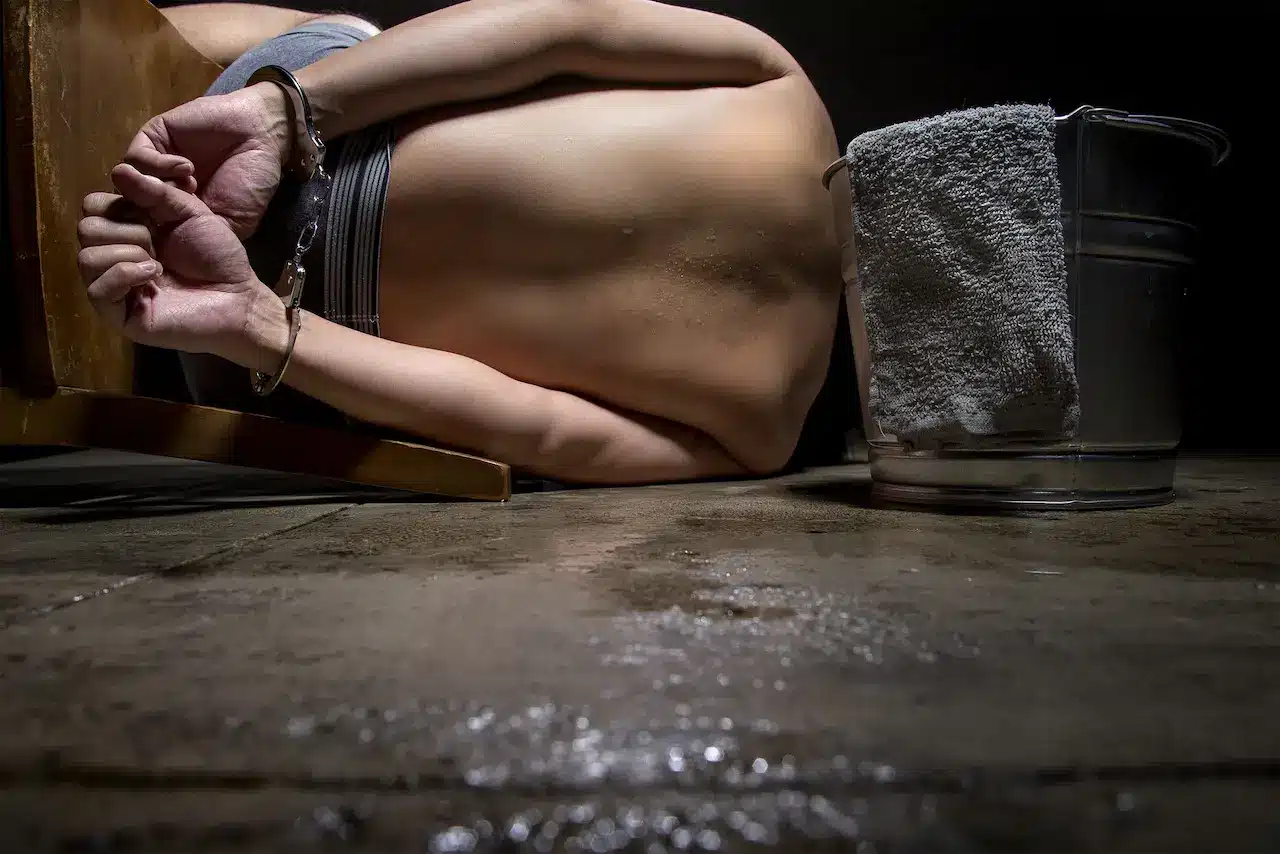
Those in regular cells were given only a plastic bucket for their needs. In the sleep deprivation cells, detainees were required to wear diapers. When diapers weren’t available, guards fashioned crude replacements from duct tape, or worse, left prisoners naked and chained in the freezing, unsanitary rooms. The entire cellblock was unheated, kept in total darkness around the clock. Deafening white noise or blaring music added to the psychological torment.
One prisoner spent his final days in this environment. Found naked from the waist down, shackled to the cold concrete floor with his legs bound, he died of hypothermia, a haunting testament to the brutal conditions of these black sites.
A psychologist involved in designing the CIA’s “enhanced interrogation techniques” described the prison’s atmosphere as “nasty but safe” during a debriefing, months later, a statement that now seems grimly ironic. These techniques included waterboarding, stress positions, sleep deprivation, and confinement in small boxes, all intended to break prisoners physically and mentally.
Years later, survivors of such black sites and families of those who died sought justice. In one rare case, a civil lawsuit against the psychologists responsible for developing these methods was settled out of court without any admission of guilt or apology from the individuals involved or the U.S. government.
Revelations from declassified CIA files have since pulled back the curtain on this shadowy program. The Afghan black site remains one of the most notorious examples of how far intelligence agencies were willing to go in their pursuit of information, leaving behind a legacy of trauma, suffering, and unanswered ethical questions.
Here are some of the most controversial CIA interrogation methods:
These methods are designed for situations that require intelligence quickly, such as when there is an immediate threat. Critics claim that these practices violate human rights and are unreliable.
1. Waterboarding: Simulated drowning
Waterboarding is the most notorious method. It creates the sensation of drowning. Water is continuously poured over the face of a suspect who is strapped down to a board, with their head angled downward and their face covered by plastic or cloth. Waterboarding triggers the gag reflex and causes panic, which breaks down psychological resistance. Waterboarding is considered torture even though it does not leave any physical scars.
2. Sleep Deprivation Breaks the Mind through Exhaustion
Detainees are unable to sleep for several days. Bright lights, loud sounds, and constant surveillance ensure that they stay awake. This leads to extreme exhaustion, hallucinations and mental breakdowns over time. Suspects are more likely to reveal information. Detainees have reported that some of them were denied sleep for more than 180 hours.
3. Standing for hours: physical and psychological strain
The seemingly simple technique requires that suspects remain in one place, often handcuffed or chained, for up to forty hours. Standing for long periods can cause swelling in the feet and legs, joint pain, and even fainting. When combined with sleep deprivation, it increases the stress on the body and mind.
4. Hyperthermia: freezing the body into submission
Also known as cold-cell treatment, suspects are stripped, doused with cold water and then placed in cells that maintain temperatures near freezing. The detainee will shiver and feel uncomfortable, which can lead to hypothermia. This method is controversial because it can have life-threatening effects.
5. Sensory overload: Overloading your senses
This tactic is based on psychological studies of sensory overload. Detainees are subjected to loud, repetitive music, flashing lights, pungent smells or repeated sounds over an extended period. Suspects are often forced to listen to a song on repeat, sometimes for days at a time, while intense lights are shone into their eyes. The objective is to mentally exhaust and disorient the suspect.
6. Isolation and the Power of Loneliness
The use of solitary confinement in prisons and for interrogation has been around for a long time. Detainees can be held in small, dark cells without any human contact for several days or even weeks. Social isolation can cause anxiety, paranoia and depression.
7. Slap and Grab Techniques – “Pain without Permanent Damage”
While torture is illegal under international law, CIA interrogators use controlled physical tactics to cause pain without causing lasting injury.
-
Attention grab: Grab and pull the suspect’s shirt sharply to unbalance him.
-
Attention slap: A slap with the open hand to the face or to intimidate.
-
Belly Slap: A powerful strike to the abdomen that is designed to stun, but without internal injury.
The techniques used are designed to create fear and startle the suspects without going over the legal threshold for “torture”, as defined by the Geneva Conventions.
Detainee Treatments are Far More Brutal Than Previous
Unclassified documents recently released have revealed that the “enhanced-interrogation” program of the CIA was harsher and more disturbing than previously thought. One of the most shocking revelations was the death of a prisoner at “COBALT”, a secret facility, in November 2002. According to reports, the prisoner was left in freezing temperatures with his body partially naked and chained up on a concrete slab. Later, he died of hypothermia. A junior CIA agent, inexperienced, was responsible for overseeing the facility, which was described as a dungeon. According to the report, senior agency leadership did not know about the daily operations of COBALT. This highlights alarming gaps in accountability and oversight.
The report details the methods used to detain prisoners, which it calls “far more brutal” than official accounts admitted. In one instance, the CIA detainee who was first to be high profile became “completely non-responsive with bubbles rising from his open, filled mouth” after a long waterboarding session. Additionally, at least five detainees were subjected to what the agency termed “rectal feeding” or “rectal hydration”, ostensibly medical procedures but widely criticised as abusive and degrading. Human rights groups have condemned these practices, claiming they amount to torture and sexual humiliation.
Detainees were subjected to psychological torture, including sleep deprivation, sensory bombardment and prolonged isolation. The cells were kept in complete darkness with constant music or deafening sounds to confuse prisoners. This report highlights how these methods have left detainees permanently scarred and traumatised. Critics claim that these techniques produce little reliable intelligence and undermine America’s moral and legal standing within the international community.
Controversy, Consequences and the Controversy
While U.S. officials have defended these practices as essential in preventing terrorist attacks, international organisations, including the United Nations and human rights advocates, have strongly criticised them. Many people believe that these practices are torture, and they produce unreliable information because suspects will say anything to stop the pain.
In recent years, the debate about “enhanced Interrogation” led to changes in policy. However, questions remain regarding covert operations in undisclosed places worldwide.